The Baker Podcast
Making the fire service better than you found it.
Building the Unbreakable Firefighter

If you quit you will regret it for the rest of your life. Quitting never makes things easier.
- Admiral William H. McRaven
Entry Level Hiring Process
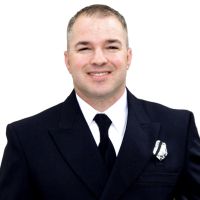
In this episode, Host Chris Baker breaks down the application phase of the entry-level firefighter hiring process and explains how candidates can become resilient, standout applicants. The discussion covers key steps in the recruitment journey, including the application process, building a strong resume and cover letter, preparing for the physical agility test—such as the Candidate Physical Ability Test (CPAT)—as well as the written exam, panel interview, background investigation, and medical examination.
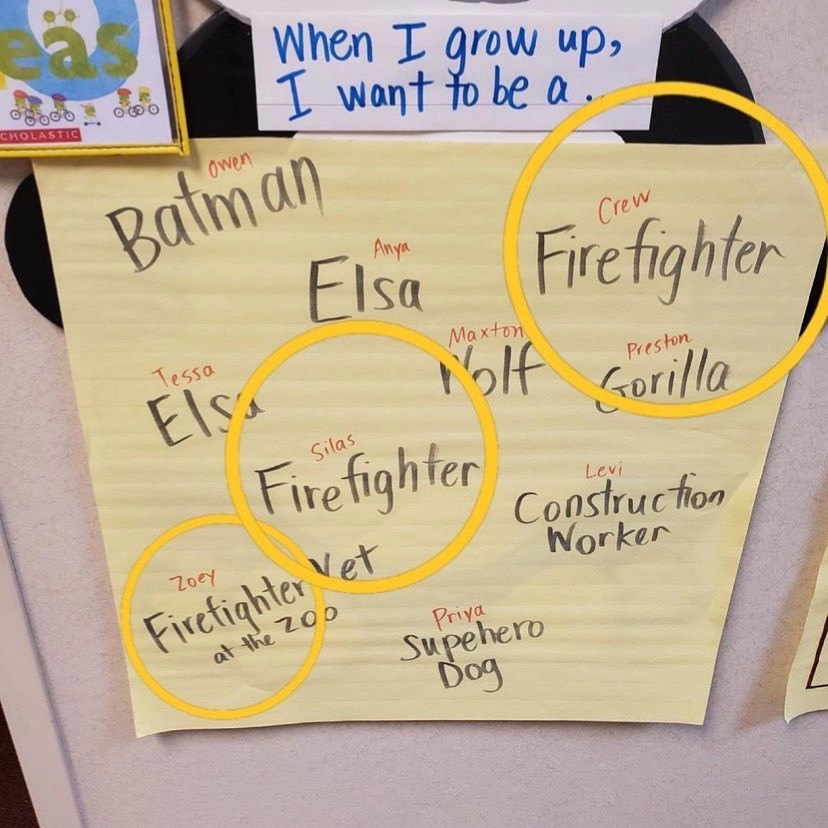
Chris emphasizes the importance of perseverance and maintaining a positive mindset throughout the hiring process. Many candidates face rejection before landing their first position in the fire service, but determination and consistent effort make the difference. His message is simple: don't give up. Stay positive, keep every rejection letter as motivation, and remember that this highly sought-after career must be earned—but it is achievable for those willing to put in the work.
(Image Credits: Author).
Application
I want to start the show off with a statement, "Don't give up!" As you progress through the application process, remember this throughout, and note that it requires a certain level of endurance. Typically, the average candidate will take about 4 to 4 1/2 years to secure a permanent career position in the fire service. Speaking from my own experience, that is about what it took me to receive my dream career position in the fire service. Please don't give up, keep going through the application process, and fill out every application. Print out the job description and the minimum requirements, and ensure that you meet these requirements to apply for the positions. Review the job description and study the knowledge, skills, and abilities (KSA's) that are required for each position. To receive the position of a future firefighter, you must undergo a lengthy process. Most entry-level firefighter applications are currently online, and there are several websites to apply for these positions:

GovernmentJobs | City, State, Federal & Public Sector Jobs
Find a government job today! Use our job search engine to browse federal, city and state jobs, and apply online. From entry-level to executive, find your career.


No one is going to hold your hand through the hiring process to become a career firefighter, you have to hold yourself accountable and have your own personal leadership.
- Christopher Baker
Resume / Cover Letter
The next phase of the process is the resume and the cover letter. Ensure that your resume and cover letter align with the agency and application you are submitting with your online application. All of these documents should be similar to each other. Have someone proofread each of these documents, and or schedule an appointment with a tutor. It is ok to receive help and seek out a tutor to assist you in this process. There is no shame in asking for help. Visit your local community college, library, or tutoring center for assistance. Several of these options are at no cost to you as an applicant. Take advantage of these free services. My recommendation is to have at least five people proofread your resume and cover letter. Follow the directions in the job description and the job announcement; clarify whether a resume and cover letter are required for each application. If required, please review the instructions on how to electronically attach these documents to your online application. Remember, the days of completing paper applications are now obsolete, and you have to submit these documents electronically. Review how to format an Adobe PDF file and learn how to save these files in a smaller file size format. Most agencies allow one single document under two megabytes or less. Review the job announcement and follow directions. Several certifications might be required for each job posting. You will have to learn how to save up to ten documents in a single Adobe PDF file. If you fail to submit the required documents with your online application, your application will be removed from the hiring process.
Physical Agility / CPAT
The job market in the fire service is highly competitive. Recently, I noticed an agency was only accepting the first 1,000 applications. When the agency received its first 1,000 applications, the job posting closed in less than five minutes. You need to have all of these items uploaded to your online profile through various career websites before the job posting becomes public. Preparation is everything. Include your work history on your resume. Most agencies require a minimum of ten years of work experience. Include your education, and I highly recommend attending a local community college during your time on the testing circuit. Include your volunteer experience and community service on your resume. I highly encourage you to volunteer at your local fire department during your time on the testing circuit. Include your certifications that are applicable to the job announcement and or job description. Ensure that your resume includes the most accurate contact information, including the best phone number to reach you in case they need to contact you to offer you the job.
Several agencies are now utilizing the Candidate Physical Ability Test (CPAT), and this is an excellent tool for a lot of these agencies. Previously, agencies conducted their own physical ability courses, and for many cities and agencies, it was expensive to put on their own physical ability courses. I have completed the CPAT a total of nine times since 2009. Remember, you have to prepare for the CPAT. Again, this entire process is a test, and this part of the process is the physical test. You must prepare to pass this test. I highly encourage you to visit the CPAT website and review the video before signing up to take the test. I highly recommend attending the practice test before taking your CPAT test. This practice test is beneficial for individuals who have never taken the test before. There are several areas in which a candidate could fail their CPAT test. Attend the orientation and ask questions to the CPAT proctors on how you can complete this test. Remember, this is a test. You need to follow simple directions and perform the CPAT to the standards set by the organization. You will receive several warnings before you fail the test. However, review the video and prepare to pass the test.
There are several fire service-related groups and organizations that can assist you in preparing for the physical ability course, such as Firefighter Functional Fitness with Jim Moss and Chief Dan Kerrigan, Fit to Fight Fire with John Spera, and 555 Fitness with Robert "Pip" Piparo. Follow these groups as you prepare to complete the physical ability test. These groups share a crucial message about the importance of firefighter physical fitness. This profession is very demanding physically, and you must commit to maintaining your physical fitness. This is very important to your health and safety throughout your career in the fire service. Several agencies in Southern California utilize the Biddle physical agility test. The USFS/BLM utilizes the pack test (Work Capacity Test for Wildland Firefighters), ensuring wildland firefighter safety. Several agencies also have their own unique physical ability course. These agencies might require the CPAT for their application process, and they could also host their own physical ability course for you to complete during their onboarding process.
The hiring process is like running a marathon, it is not a sprint, it is more like sprinting a marathon.
- Christopher Baker
Written Exam
I have tutored several candidates for their entry-level firefighter written test over the last fifteen years. Most agencies require a score of 70% to 80% to be placed on their hiring eligibility list. Please note that several agencies also select only the top scores to advance in their process, and these scores typically fall within the 90th percentile. You ultimately want to score the highest score you can accomplish on these written exams. Don't get comfortable with achieving the passing score. To be placed on the eligibility list, you need to receive the highest score possible. Enroll in a basic math class at your local community college. Ask for help with tutoring in the learning resources center at your local community college. Several tutoring options are available to assist with basic math skills. There are also several options available for tutoring in mechanical aptitude. Research the Internet, and you will discover these websites that will assist you with gears and pulleys. Learn how to calculate mechanical leverage with the application of fulcrums. Learn how bicycle gears work on a 10-speed. Learn how drive gears, work, and the rotation of these gears (Left or Right). Learn how pulleys work with lifting a weight.
Learn how to perform quick math and work math problems both forward and backward. Learn how to perform conversions in your head with the use of simple conversion formulas. Review decimals and fractions. Review basic multiplication and division. Review how to convert liters to gallons. Review how to calculate miles per hour and distance traveled equations/formulas. It is entirely acceptable to ask for help and request the assistance of a math tutor. I have tutored several hundred firefighter candidates in the past, and I have achieved a high success rate in helping them pass the entry-level firefighter written exam.
Interview
I highly recommend spending approximately 40 hours of preparation time on the initial panel interview. Again, preparation is everything. If applicable and appropriate, schedule station visits. However, please read the job announcement carefully and follow the directions. Most agencies will not allow station visits during their application process; however, you must follow simple directions. It is essential to be aware of pertinent information about the agency you are applying to and the community it serves. Learn about the agency's mission, vision, and core values. Read the strategic plan and how this relates to the future growth of the agency in that community. Learn the mutual aid agencies that are requested on a multiple-alarm assignment. Learn about the mutual threat zone (MTZ) within their response area. Learn about the target hazards within their response area. Learn the alarm matrix with assignments.
Not everything is on the Internet. You can't Google everything in preparation for the entry-level panel interview. It is imperative to live in that community to learn what is essential in that local community and the agencies that respond to calls within that specific response area. The best advice I can offer you is that if you want to secure a position in that area as a firefighter, you need to relocate to that area. Live in that area, go to school in that area, and sign up to become a volunteer firefighter in that area. You must become familiar with that agency from an insider's perspective, rather than an outsider's external perspective. Remember, every day is an interview in the fire service. You might receive a seasonal position working for a neighboring agency that has direct contact with the members in the agency you want to work for in the future. This is the best opportunity for you to learn about the members of the agency you want to pursue full-time employment with.
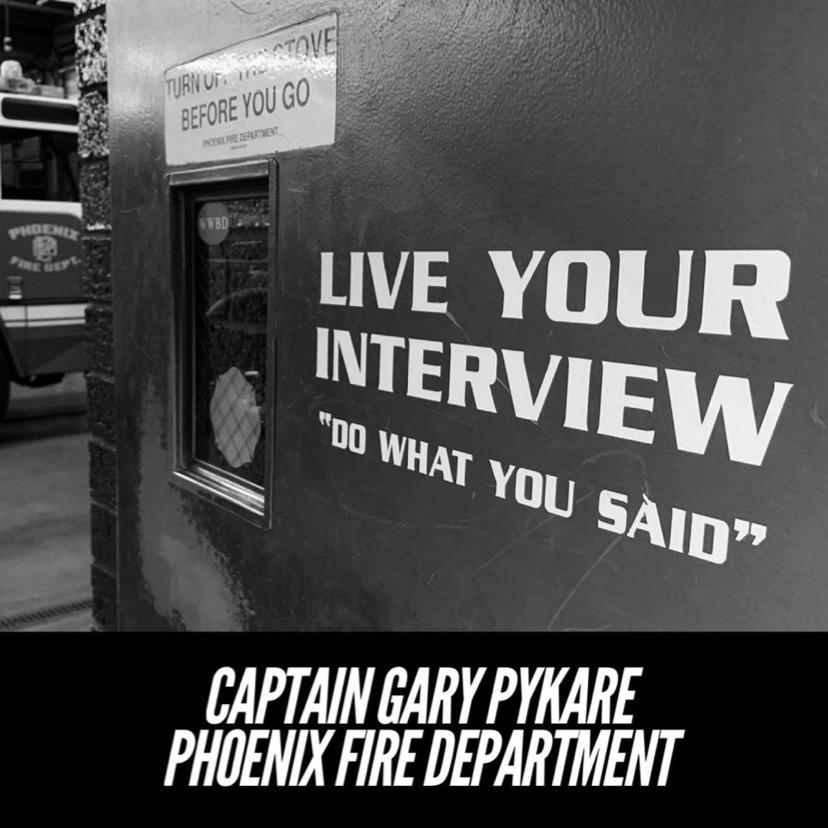
Don't just memorize the information you find online; instead, verify it. Learn what is unique about the core values of the agency. Anybody can come into an interview and be a Memorex tape player during an interview. Don't be a robot during the interview process. I've been on interview panels in the past, and after going through approximately 100 applicants in a long process, all the candidates sound familiar, and they all blend together. Members of the interview panels are looking for those candidates who stand out. The best advice I can offer you is to stand out during the interview process. At the end of the interview process, you want the panel to remember you. Bring something unique to your interview and share something about yourself that sets you apart from the crowd.
(Image Credits: Author).
Background / Medical Process
The best advice I can offer you is to be honest, straightforward, and transparent throughout the hiring process. Remember, it is a test. Every step in the process is a test. If you have any questions regarding your background, contact the hiring official and ask them specific questions regarding your background. Following directions is essential. You will have only one opportunity to disclose information regarding your background. You will have an initial interview with your background investigator. During this interview, make sure you're transparent. Be honest and straightforward; share all relevant information about your background. Most applicants are not successful during the background process because they are not honest. Honesty and integrity are core values of the fire service. Public servants are held to higher standards, and we do not violate the public's trust.
Consult with your family physician regarding your previous medical history before proceeding with the background check. Have all the dates of your last hospitalizations, significant accidents, and broken bones/injuries. If you need to clarify any aspect of your medical history, please consult with your family physician.
Pitfalls
1. Lack of honesty and integrity during the hiring process.
2. Not following simple directions described in the job announcement.
3. Failing to submit the required paperwork in the appropriate time frame.
4. Lack of preparation during any step of the hiring process.
5. Failing to sign their application.
6. Failing to dress for success during the interview process.
Takeaways
1. Have a support system.
2. Preparation is the key to success.
3. It is only a failure if you don't learn from it.
4. In order to receive this highly desirable position in the fire service, you have to apply.
Top 10 things to do that will increase your odds of getting a job (Not in any specific order)
1. Prepare for every step of the hiring process.
2. Become a volunteer firefighter and get involved with community service.
3. Enroll in a local community college fire technology program and earn an AS degree in Fire Technology.
4. Complete the CPAT every 6-12 months.
5. Make a strategic plan on how you are going to receive this position.
6. Find a mentor and ask them to hold you accountable to your above-mentioned strategic plan.
7. Complete an EMT program and receive your NREMT Certification.
8. Stay Positive.
9. APPLY, APPLY, AND APPLY.
10. Complete every entry-level firefighter written test that you can.
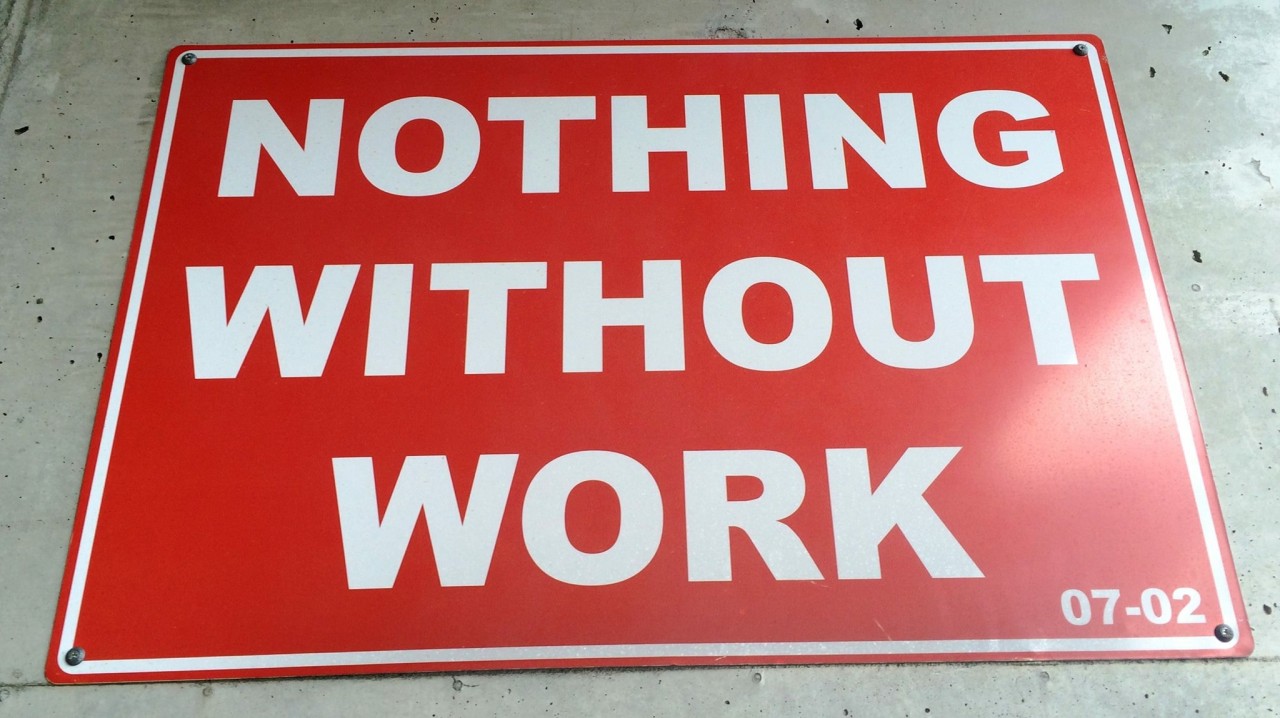
(Image Credits: Author).
Nothing in the fire service is free; you have to earn it. Don't expect to be given a position by chance. You have to earn every position you seek and pursue in the fire service.
- Christopher Baker
Stay Informed
When you subscribe to the blog, we will send you an e-mail when there are new updates on the site so you wouldn't miss them.